
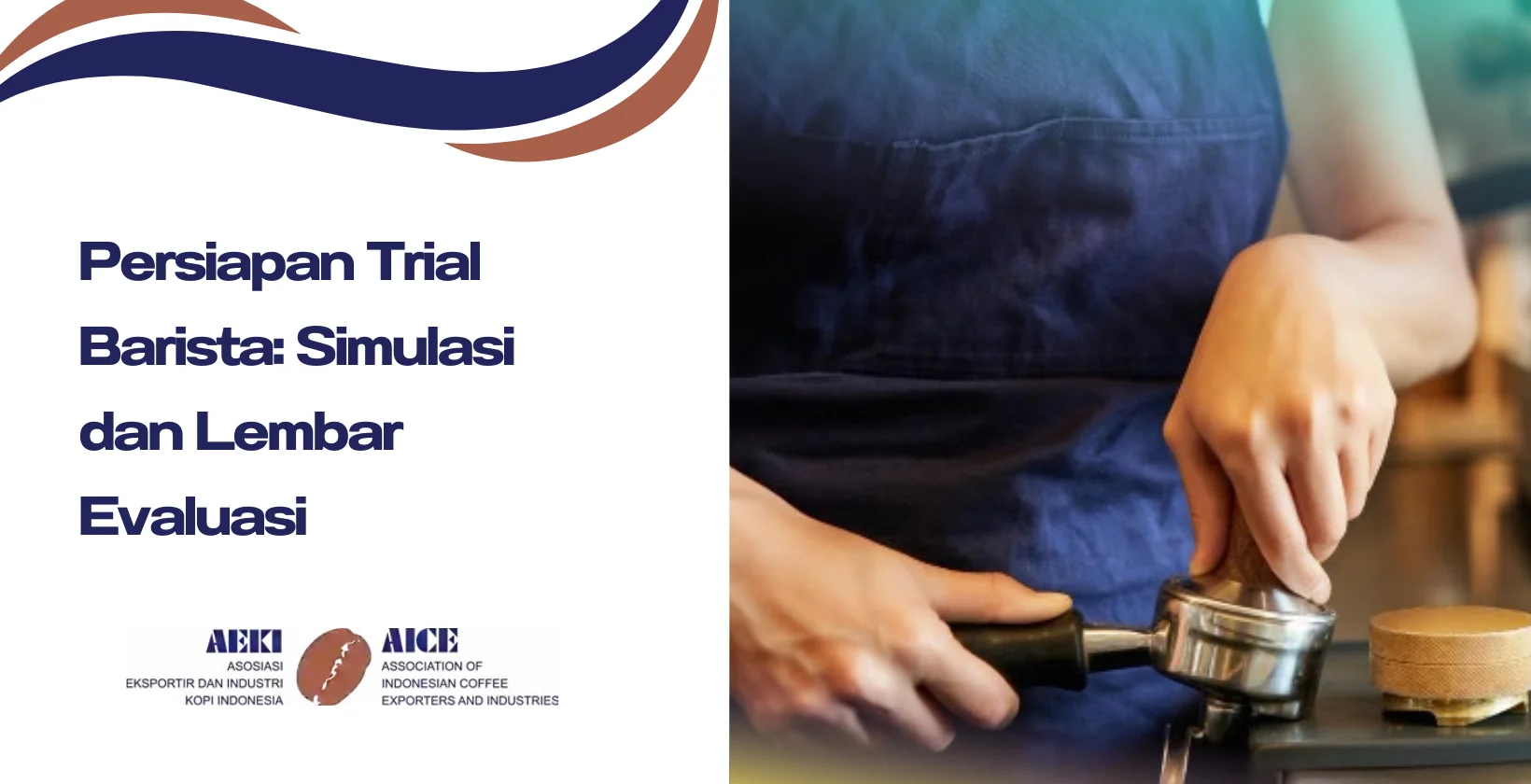


The most useful preparation for a barista trial is to simulate the tasks you might be asked to perform: taking orders, making drinks according to instructions, checking the results, and then explaining your decisions if you encounter any issues. This kind of practice reveals what's working well and what still needs more guidance.
There's no single barista practical test that works for all coffee shops. The following guide provides sample simulations and a personal evaluation sheet that can be tailored to your specific location.
What needs to be confirmed before the barista trial
Ask the shop how long the session will last, whether you'll be making drinks for judges or customers, what menu items might be requested, and whether recipes and machine settings will be explained on-site. Also confirm attire, arrival time, and whether you're allowed to bring a small notebook.
Don't assume all shops use the same dosage, cup sizes, or serving order. When you arrive, ask for a working recipe and demonstrate that you can follow it. If you're new to the machine or grinder, ask for a brief orientation before operating it.
Interviews and trials assess different things: interviews explore your experience and mindset; trials demonstrate your actions on the job. To prepare for the conversation, use a separate barista interview practice guide.
Practical task simulation for directed independent practice
Try simulating three tickets: one espresso, one iced latte, and one cappuccino . Write down the measurements and recipe before you begin. Have a friend act as the order taker and observer.
If practicing without authorized access to shop equipment, simply simulate ticket reading, ordering, communication, and final checks; machine practice should be done in a licensed and supervised location.
Run two rounds. On the first round, work without time pressure to ensure the order is correct. On the second round, receive the three tickets close together and have an observer record when you start, switch tasks, and hand over each drink. Time is recorded to track personal progress, not as a universal passing grade.
The sequence of exercises that can be observed:
- Read each ticket, repeat important modifications, then determine the work order.
- Check the condition of the tools and materials to be used. Follow local machine operating instructions.
- Prepare the drink according to the recipe; take note if the espresso or milk texture is not quite right.
- Match the drink, size, and modifications to the ticket before handing it in.
- Explain the problem briefly. Don't secretly substitute ingredients or present results you know are incorrect.
This focus aligns with the barista skills outlined by the Specialty Coffee Association in its Barista Skills materials : espresso brewing, hygiene routines, service, consistency, and workflow. These materials serve as a skills reference, not an official rubric for coffee shop job trials.
Ask for instructions and explain the limits of your abilities
For example, if a latte order says "no milk" but doesn't specify a substitute, don't immediately choose a plant-based milk or assume the request is related to an allergy. Say, "I want to be sure: was this drink requested without milk at all, or with a specific alternative?" Hold the order until the instructions are clear.
If a customer mentions an allergy, forward that information to the person in charge and follow store procedures. Do not declare a drink safe if the ingredients and risk of cross-contact cannot be determined.
For allergen communication practices for custom-made beverages, see the allergen information guide for unpackaged food and beverages . This guide is from the UK; for operations in Indonesia, please continue to follow applicable workplace regulations and procedures.
Process and results observation sheet
Use the following table after the simulation. Score 0 if you couldn't do it, 1 if you did it with a reminder or the results weren't consistent, and 2 if you did it independently according to the exercise instructions. Fill in the evidence column with specific incidents. This is a personal learning tool, not an official AEKI assessment sheet or an employment acceptance standard.
| Aspect | Things observed | Score 0–2 | Evidence or records |
|---|---|---|---|
| Reading the ticket | Menus and modifications are called back correctly | ___ | ___ |
| Asking for clarification | Ambiguous instructions confirmed before production | ___ | ___ |
| Preparing espresso | Steps to follow the recipe; results are checked before use. | ___ | ___ |
| Processing milk | Correct material, texture as requested, tools handled safely | ___ | ___ |
| Maintaining the work area | Keep hands, surfaces, and tools clean | ___ | ___ |
| Manage multiple tickets | No missed or mixed up orders | ___ | ___ |
| Final inspection | Drinks are matched to tickets before being handed over. | ___ | ___ |
Scores alone aren't enough. Separately mark any incidents that require immediate correction, such as unfamiliar use of equipment, misinterpreted modifications, or orders with unconfirmed allergy information. Discontinue unsafe parts of the exercise; don't mask them with high scores in other areas. The WHO also emphasizes the principle of maintaining good hygiene when handling food and drinks .
Compiling exercises from evaluation results
Select the two most significant weaknesses from your notes. If two tickets are mixed up, repeat the ticket reading and marking simulation before adding more practice menu items. If the espresso steps are inconsistent, review the basics of coffee calibration and practice again with the appropriate recipe and supervision.
Example of a measurable goal: “In the next three simulations, I will repeat each modification before starting and match all cups to tickets before handing over.” Compare records between rounds, not just total scores.
If the evaluation indicates that you need machine practice and hands-on correction, review the barista class materials and schedule to determine if the skills you want to practice are covered. Check the current schedule before making plans; attending training does not guarantee a trial or job placement.
Checklist before coming to the trial session
- Time, location, duration and contact person in charge have been confirmed.
- The provisions for clothing and items that need to be brought have been noted.
- I am ready to ask for recipes and instructions for unfamiliar tools.
- I can explain the skills I have practiced without exaggerating them.
- I know I will confirm the unclear modification.
- I set up a way to record feedback after the session is over.
Conclusion
A barista trial doesn't require you to predict every shop's routine before you arrive. A more sensible preparation is to practice reading instructions, completing several orders carefully, and recognizing when to ask for help. Use the observation sheet to identify actions that need improvement, then repeat the simulation with a narrower focus.
FAQ
1. Do trial baristas always use an espresso machine?
Not always. Duties depend on the menu and the shop's needs. Confirm the format before arriving, then be prepared to follow the instructions on the equipment used on site.
2. What is the difference between a barista practical test and an interview?
The interview asks you to describe your experiences and decisions. The practical test demonstrates how you read orders, use tools, communicate, and check results.
3. How do I take the barista practical test if I'm not yet proficient in latte art?
Be honest about your skill level. Follow the recipe and the assessor's instructions, prioritize proper brewing and safe equipment handling, and accept corrections on your pours.
4. What should you do if you make the wrong drink during the trial?
Notify the person in charge immediately, explain the error, and ask for corrective action. Do not submit a drink you know does not match the ticket.
5. Does this evaluation sheet determine the chances of being accepted for the job?
No. This sheet is for independent practice only. Each store may use different assignments and selection considerations.


